Summary:
The Ministry of Ayush has released an official list of preparations for Ayurvedic food under the Ayurveda Ahara category, for the purpose of standardizing traditional dietary practices. Developed with FSSAI, the list includes items such as Chyawanprash, herbal tea and medicated ghee. This step promotes overall nutrition inherent in Ayurveda and sets a regulatory structure for India and globally safe, quality Ayurvedic foods.
In an important step to standardize and promote traditional dietary practices, the Ministry of AYUSH has officially released a comprehensive list of food preparations under the ‘Ayurveda Ahara’ category. The list aims to provide clarity, stability and confidence to consumers, manufacturers and health physicians, which are qualified as Ayurvedic Nutrition in the modern context.
The announcement comes as part of the widespread initiative of the Ministry to integrate traditional knowledge systems with contemporary food rules. Listed objects include various types of aging Ayurvedic yoga’s and dietary recommendations that are known for alignment with seasonal and personal dietary requirements based on their health benefits, preventive properties and dosha balance.
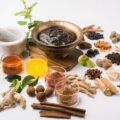
The list, which was prepared in collaboration with the Food Safety and Standards Authority of India under the Ayurveda Ahara regulations, classifies these food products for the first time under legal standards. These preparations include Amla-based products, Chyawanprash, herbal tea, medicated ghee (ghee), and grain-based porridge such as herbs and spices, which are usually used in Ayurvedic practice.
The ministry clarified that Ayurveda Ahara is different from traditional health supplements or nutraceuticals. Instead, it emphasizes nutritious nutrition inherent in ancient Indian traditions, which focuses on promoting overall health and well -being rather than only targets deficiencies or diseases.

Image Credit: pib.gov
Key Objectives Behind the Initiative:
• To establish quality and safety standards for Ayurvedic food products.
• To promote India’s rich heritage as a global welfare solution to promote the rich heritage of food knowledge.
• To support Ayurvedic physicians and entrepreneurs in welfare and food fields with a clear regulatory structure.
• Creating consumer awareness around time-tested dietary practices alliance with nature and individual constitution (Prakrit).
Speaking on development, officials of the Ministry of AYUSH said that this is a step towards making Ayurvedic diet more mainstream and accessible, not only in India but also globally. The move expects Ayurveda-based startups and food manufacturers to encourage innovation and scale from responsibility within a defined structure.
Along with increasing global interest in overall health and traditional medicine, Ayurveda Ahara’s formal recognition is set to strengthen India’s position as a leader in preventive healthcare and traditional nutrition.
What’s Next?
The Ministry is likely to follow this list under Ayurveda Ahara with guidelines on labeling, manufacturing practices and permissible materials. Public counseling and stakeholder awareness programs are also expected to ensure smooth implementation.
As India continues to celebrate its ancient science in the modern era, the initiative is another milestone in the integration of Ayurveda with contemporary lifestyle, food habits and public health policies.
Disclaimer:
(The views expressed are solely on the basis of research. Indiagnostic shall not be responsible for any damage caused to any person/organization directly or indirectly).