Summary:
AI is transforming healthcare by helping doctors analyse large volumes of medical information, identify patterns and support faster diagnosis and more informed decisions. Its applications span medical imaging, disease detection, personalised care, research and patient monitoring. While AI can improve efficiency and reduce diagnostic delays, it is intended to support rather than replace medical professionals. Responsible use, including attention to privacy, accuracy, transparency and human oversight, will remain essential as AI becomes more integrated into healthcare.
Artificial Intelligence (AI) is quickly emerging as a valuable component of modern healthcare, enabling doctors to process information more quickly, recognise patterns and make better-informed clinical decisions. From diagnostic imaging and disease detection to patient monitoring and medical research, AI is opening up new possibilities for making healthcare delivery faster and more efficient.
The expanding influence of AI was also emphasised by the founder of Apollo Hospitals, who highlighted its ability to help doctors reach diagnoses more quickly. As healthcare providers manage rising numbers of patients alongside growing volumes of medical information, AI-powered solutions can help professionals analyse data more effectively while ensuring that medical expertise remains central to clinical decisions.
AI Can Help Accelerate Diagnosis
Diagnostic assistance is among the most important uses of AI in healthcare. Before diagnosing a condition, doctors may need to review a patient’s medical history, test results, scans and other clinical information. AI applications can support this process by examining substantial volumes of data and detecting patterns that may warrant additional medical assessment.
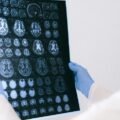
In fields including radiology, pathology and cardiology, AI technologies can rapidly process medical images and other diagnostic data. This can assist doctors in recognising possible abnormalities and identifying cases that may need immediate attention.
AI may also contribute to the early identification of some diseases by detecting less obvious patterns within patient information. However, these systems are intended to complement healthcare professionals, not replace them. Qualified medical experts remain responsible for interpreting the information and making clinical decisions based on the specific circumstances of each patient.
For hospitals, quicker data processing can also improve operational efficiency. When diagnostic information is accessible earlier, doctors can potentially start the necessary assessment and treatment sooner, helping reduce avoidable delays.
Moving from Data Analysis to Personalised Care
Healthcare organisations generate vast quantities of information each day. Electronic health records, laboratory findings, diagnostic reports, medical scans and data from wearable devices all contain useful insights, although manually reviewing such large volumes of information can be difficult.
AI can assist by structuring and analysing these different sources of information, helping healthcare professionals recognise important patterns, trends and relationships. This can support a more personalised approach to patient care, allowing treatment decisions to consider factors such as a person’s medical history, clinical characteristics and previous responses to treatment.
The use of AI is also expanding into areas such as drug development, clinical studies, predictive analysis and remote monitoring of patients. These applications have the potential to help researchers move through certain stages of medical research more efficiently while helping healthcare organisations make better use of available resources.
However, AI must be introduced responsibly. Healthcare systems need to consider issues including patient privacy, data protection, accuracy, transparency and possible biases when developing and implementing AI technologies. Human supervision is especially important when AI-generated information may have an impact on diagnosis or treatment decisions.
Shaping the Future of AI-Powered Healthcare
The growing use of AI reflects a wider transformation in how healthcare organisations apply technology. Instead of being considered a replacement for medical professionals, AI is increasingly being used as a technology that can enhance and support human expertise.
The observations made by the Apollo Hospitals founder illustrate this developing approach, in which technology can help doctors process information more rapidly and potentially make the diagnostic process more efficient. AI’s greatest benefit may emerge when its computational capabilities are combined with the knowledge, judgement and empathy of healthcare professionals.
As AI continues to develop, hospitals and healthcare institutions are expected to investigate additional ways of incorporating these technologies into clinical and operational processes. The emphasis will continue to be on responsible technology use that supports doctors, increases efficiency and ultimately improves the patient experience.
The future of healthcare, therefore, is unlikely to be defined simply by machines making medical decisions. Instead, it will increasingly centre on cooperation between healthcare professionals and intelligent technologies, with AI helping clinicians process and understand information more quickly while human expertise remains at the heart of patient care.
Related posts:
 AI-Powered Healthcare Platform Introduced to Boost Preventive Healthcare Across India
 Google Strengthens Its AI-Powered Healthcare Efforts in India Through AIIMS Partnership and Public Health Programs
 AI-Powered Medical Imaging Solutions Expected to Surpass Traditional Systems
 India’s AI Healthcare Expansion Gains Momentum, but Clinical Use Remains Low
 Google Cloud Unveils Advanced AI Agents to Transform Healthcare


